
Why Arizona Summer Heat Kills Car Batteries Fast
In Arizona, automotive batteries rarely die of old age; they die of thermal heat degradation. Under-hood temperatures in the Phoenix East Valley can easily exceed 175°F to 200°F during triple-digit summer days. This intense heat causes internal electrolyte evaporation, accelerates grid corrosion, and produces positive plate growth that leads to internal short circuits.
While an automotive battery in the northern United States typically lasts four to five years, the average lifespan of a standard car battery in Mesa and Phoenix is only 24 to 36 months. At Rieth Auto Stores, we specialize in high-heat battery chemistries, heavy-gauge lead grids, and computerized conductance testing to ensure you are never stranded in the summer heat.
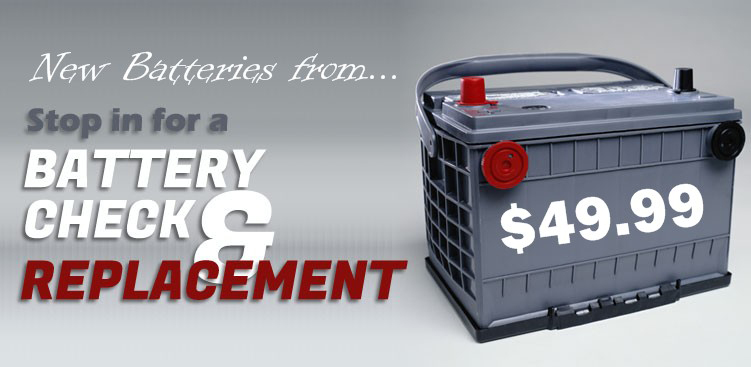
Our Counter Electrical Services — Always Free of Charge
Free Computerized Battery Testing
Using digital conductance analyzers, we measure your battery's internal resistance, State of Charge (SOC), State of Health (SOH), and actual Cold Cranking Amps (CCA) versus rated capacity. You receive an immediate diagnostic assessment without removing the battery from your vehicle.
Free Battery Installation
Purchase any replacement battery at Rieth Auto Stores and our counter staff will install it free of charge on most accessible vehicle applications. We clean your cable terminals, apply corrosion-inhibiting compound, and test clamp tightness.
Starter & Alternator Testing
A dead battery is frequently the victim, not the culprit. We perform starter amp-draw testing to detect dragging starter motors, and alternator ripple/voltage regulation checks to ensure your charging system is delivering the correct 13.8V to 14.4V under full accessory load.
Safe Battery Core Recycling
Automotive batteries are 99% recyclable. Bring your old lead-acid battery core to Rieth Auto Stores to receive immediate credit toward your new battery purchase and ensure toxic lead and sulfuric acid are recycled according to strict EPA standards.
Selecting the Right Battery Chemistry for Your Vehicle
Modern vehicles demand vastly more electrical power than cars of the past. Touchscreen infotainment, collision-avoidance radar, electric power steering, and Start-Stop engine systems require batteries capable of rapid cyclic charging:
| Battery Technology | Internal Construction | Best Suited For | Warranty Coverage |
|---|---|---|---|
| Absorbent Glass Mat (AGM) | Micro-fiberglass mats absorb acid; spill-proof, tightly packed plates with superior vibration resistance and 2x cycle life. | Vehicles with Start-Stop technology, high-draw audio/lighting, luxury European imports, under-seat or trunk installations. | 3-Year to 4-Year Free Replacement |
| Carquest Platinum Flooded | Reinforced radial grids with high-density paste formulation; heavy-duty polypropylene case with flame-arrestor vents. | Late-model daily drivers, work trucks, SUVs in extreme heat environments requiring robust cranking power. | 3-Year Free Replacement |
| Carquest Standard | Traditional calcium-alloy lead plates optimized for reliable standard cranking power. | Older vehicles, economy sedans, standard electrical loads. | 2-Year Free Replacement |
| Commercial & Fleet Heavy Duty | Anchor-bonded elements to resist severe road vibration, high reserve capacity (RC) ratings. | Delivery box trucks, municipal vehicles, emergency response, diesel pickups with dual battery systems. | 18-Month to 2-Year Commercial Warranty |
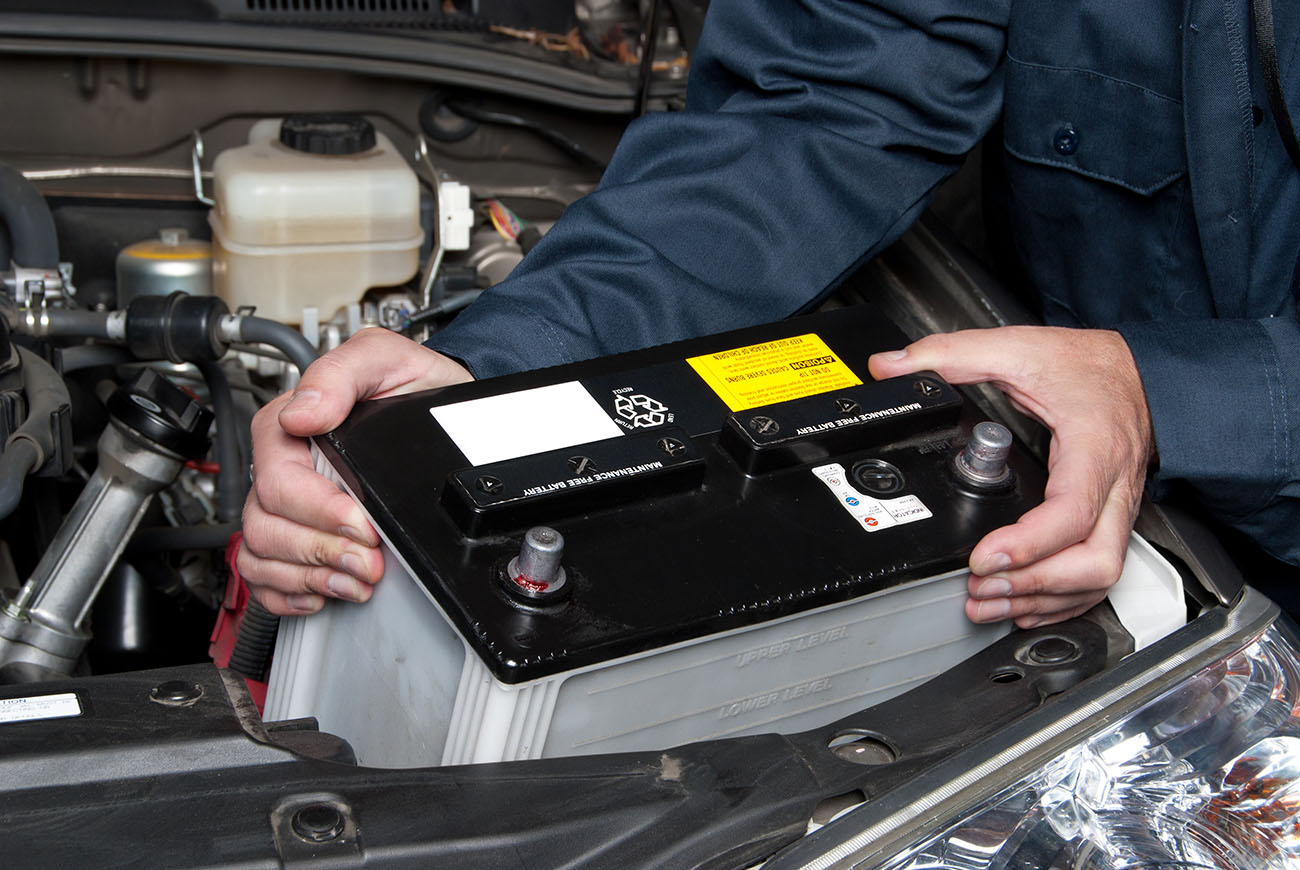
Warning Signs Your Vehicle Battery Is About to Fail
Unlike colder climates where a dying battery gives warning during freezing morning cranks, in the Arizona desert, batteries frequently experience sudden chemical death. Watch for these subtle symptoms:
- Sluggish Engine Crank: The starter motor sounds labored or rotates slower than usual when turning the key or pushing the start button.
- Clicking Sound on Ignition: Rapid clicking without engine rotation indicates insufficient amperage to hold the starter solenoid engaged.
- Bloated or Swollen Battery Case: Excessive under-hood heat can cause the battery casing walls to bulge outward from internal plate expansion.
- Sulfur or Rotten-Egg Odor: An overcharged or internally shorted battery releases hydrogen sulfide gas. If you smell sulfur, seek service immediately.
- Electrical Glitches: Flickering interior lights, dashboard warning indicators, or erratic power window operation during engine idle.
Proactive Testing Recommendation
Do not wait for your car to strand you in a parking lot on an August afternoon. If your battery is more than two years old, stop by Rieth Auto Stores for a complimentary two-minute conductance test.
Battery & Electrical Frequently Asked Questions
Do I need an appointment for battery testing or installation?
No appointment is ever necessary! Simply drive up to our store at 1806 East Main St in Mesa. Walk into the counter and ask for a battery health check. A counter technician will bring out our digital tester and assess your vehicle immediately.
Can I upgrade my conventional flooded battery to an AGM battery?
In almost all cases, yes. AGM batteries provide higher vibration resistance, faster recharge acceptance, and longer lifespan in high-heat climates. However, vehicles originally equipped with AGM should never be downgraded to flooded batteries, as modern battery management systems (BMS) are calibrated for AGM charging curves.
Do you reset the Battery Monitoring System (BMS) after installation?
Many modern vehicles (Ford, BMW, Audi, Volkswagen, newer GM) require a BMS relearn procedure when a new battery is installed so the alternator does not overcharge the new battery based on the old battery's aging profile. Our counter team can guide you on the relearn process for your specific make.